


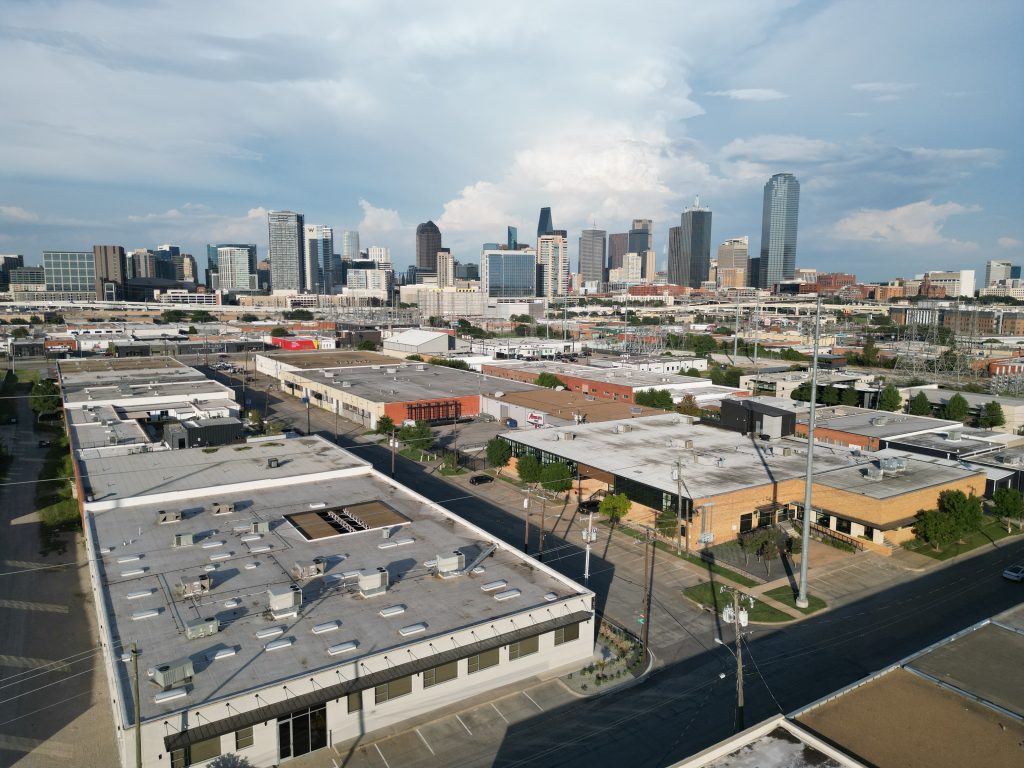
Dallas is one of the most dynamic industrial markets in the country. From warehouses with dock doors and yards to creative flex spaces in the Design District, the right property can streamline operations, cut costs, and support future growth. But with so many options, how do you know which one fits your business? Here are the key factors every buyer should weigh.
Location and Accessibility Is Key In Dallas
Proximity to highways, rail lines, and airports can make or break an industrial site. Businesses dependent on distribution should prioritize access to I-35, I-20, or the Dallas North Tollway. For companies serving urban customers, infill properties near the Design District or Stemmons Corridor may deliver logistical advantages despite higher costs.

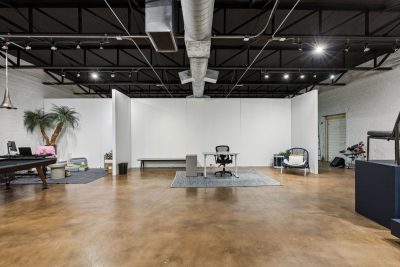
Finding the right commercial industrial property in Dallas comes down to balancing location, functionality, and long-term value so your business can operate efficiently today and grow tomorrow.
Dock and Yard Functionality
If your operations involve shipping or receiving, dock layout matters as much as square footage. Evaluate the number of dock doors, their size, and whether trucks can maneuver easily on site. Properties with paved yards or outdoor storage are increasingly scarce inside Dallas city limits, so verify whether the site can handle staging, trailer parking, or laydown space.
Building Design and Flexibility
Clear height, floor load, and column spacing determine how efficiently you can use interior space. Flex buildings with a balance of office and commercial industrial warehouse space allows adaptability for creative industries, light manufacturing, or logistics. Think beyond today’s needs: if your business grows, can the property be reconfigured, subdivided, or expanded?
Infrastructure and Condition
Look closely at electrical capacity, HVAC systems, lighting, and fire suppression. Replacing or upgrading these can be costly. Don’t overlook the basics—roof age, dock levelers, and yard drainage can all affect day-to-day usability. For buyers considering older buildings, budget for deferred maintenance from the start.
The Hard Part: Zoning and Compliance

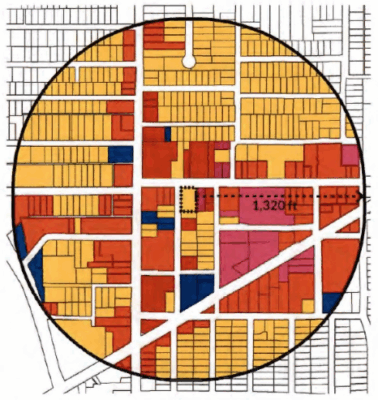
Taking time to verify zoning and compliance early can save months of delays and unexpected costs once you’re under contract.
Each city around Dallas has different zoning rules. Confirm that the property is permitted for your intended use—whether that’s storage, distribution, or manufacturing—and check for environmental or code compliance issues that could delay occupancy.
Cost Beyond the Purchase Price
Taxes, insurance, and utilities vary widely by submarket. A property with a lower upfront cost may have higher long-term carrying costs, especially in areas with elevated property tax rates. Weigh operating expenses alongside the mortgage when calculating affordability.
The Bottom Line
The right Dallas commercial industrial property is more than four walls and a dock door—it’s a strategic investment in your company’s future. By weighing location, functionality, flexibility, and long-term costs, you can choose a property that supports growth and maximizes efficiency. Bates Real Estate specializes in helping businesses find spaces that fit today’s operations and tomorrow’s opportunities.