


When Dallas property owners think about selling a commercial industrial building—whether it’s a flex space in the Design District, a warehouse with dock doors in DeSoto, or a yard-heavy site along I-35—they usually focus on the sales price. While that top-line number matters, many owners are caught off guard by the hidden costs that come with preparing and completing a sale. Knowing these costs upfront can help you avoid surprises and make smarter decisions.
1. Capital Improvements and Repairs
Buyers in today’s market expect functional, modernized space. That may mean repairing loading docks, resurfacing parking or yard areas, updating fire suppression systems, or addressing roof issues. Even cosmetic updates like fresh paint or landscaping can make a difference. Skipping these steps may lower offers or extend time on the market.

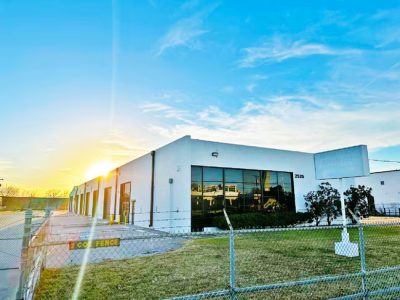
At Bates Real Estate, we help owners anticipate issues so they can focus on maximizing value when it’s time to sell.
2. Environmental and Compliance Costs
Older warehouses and commercial industrial properties sometimes come with environmental questions—underground tanks, prior industrial use, or potential hazardous materials. Phase I or Phase II environmental assessments are common, and if issues are found, remediation can be costly. Zoning or code compliance updates (like ADA accessibility or life-safety upgrades) may also come into play, especially in urban areas like the Dallas Design District.
3. Taxes and Transfer Expenses
Property taxes in Dallas County and surrounding areas are significant, and prorations at closing can surprise sellers. Depending on the timing of your sale, you may owe more than expected. In addition, Texas charges certain filing and transfer fees that, while not huge, add up. Sellers should also consider capital gains exposure when planning proceeds.
4. Carrying Costs During Marketing
Even if your property is vacant, you’ll still be covering insurance, property taxes, utilities, and security while the asset is on the commercial real estate market. For larger spaces with yards or multiple docks, those holding costs can be substantial if a sale takes several months.
5. Tenant-Related Expenses
If your property is partially leased, you may face costs to settle leases, return deposits, or complete tenant improvements promised under existing agreements. Buyers often scrutinize lease structures, so clarifying obligations early avoids last-minute renegotiations.
The Bottom Line
Dallas’ industrial real estate market—from infill flex buildings to distribution warehouses—is competitive, but hidden costs can erode your net proceeds if you’re unprepared. By planning for repairs, environmental checks, tax implications, and carrying costs, you’ll protect your bottom line and streamline the sale process. As one of the top commercial industrial real estate brokerages in Dallas, Bates Real Estate, helps owners anticipate these issues so they can focus on maximizing value when it’s time to sell.